Source High Pressure Descaling Pump for Industrial, Chemical, Construction
Compare 30 high pressure descaling pump options from verified Chinese manufacturers. Evaluate specifications like flow rate, pressure, and drive modes for industrial, chemical, and construction applications.
Key considerations
Products List


$10000.00 - $40000.00
Moq: 1


Comprehensive Sourcing Guide
Strategic Sourcing Guide for High Pressure Descaling Pumps
Understanding Core Technical Specifications and Variability
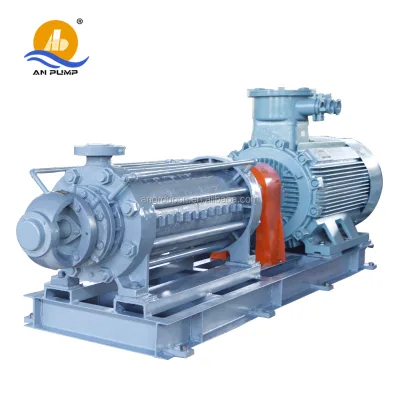
When sourcing high pressure descaling pumps, buyers must first navigate a complex landscape of technical configurations that directly impact performance. The market offers a diverse array of designs, ranging from axial plunger pumps to radial types, each suited for specific operational demands. A critical observation in the current supply base is the variation in pump shaft positioning. While some units are engineered with a horizontal shaft configuration, others may differ, necessitating a careful review of the mechanical layout to ensure compatibility with existing infrastructure. The structural integrity of these units is often defined by the cylinder count; multi-cylinder designs are prevalent, offering smoother flow and reduced pulsation compared to single-cylinder alternatives.
The drive mechanism is another primary differentiator. Buyers will encounter units driven by hydraulic systems, which provide robust torque and variable speed control, as well as mechanically driven pumps that rely on electric motors, belts, or diesel engines. The power source itself varies significantly, with options including pure electric drives or hybrid configurations involving diesel and belt systems. This variability requires the procurement team to align the pump's drive mode with the available site utilities and operational requirements. Furthermore, the flow capacity is not uniform across the category. Data indicates a wide range of output capabilities, from high-volume units delivering up to 510 liters per minute down to specialized low-flow models operating between 28 and 45 liters per minute. Specific high-performance models have been observed with flow rates in the 432 to 500 liters per minute range, while others operate within a narrower band of 88 to 272 liters per minute.
Pressure ratings constitute the most critical performance metric for descaling applications. The market presents a broad spectrum of pressure capabilities, with some units rated for 70 to 140 bar, suitable for lighter industrial cleaning tasks. Conversely, heavy-duty descaling pumps are available with pressure ratings extending from 800 bar up to 1500 bar, designed for removing tenacious scale, concrete, and hardened deposits. The plunger stroke length, observed at 72mm in specific configurations, influences the displacement and pressure generation, while pump speeds, such as the 520 RPM noted in certain models, dictate the operational rhythm. Buyers must verify these numerical specifications against their specific cleaning requirements, as a mismatch can lead to inefficient cleaning or equipment damage.
Compliance, Certification, and Standard Verification
In the industrial procurement of high-pressure equipment, verifying compliance with safety and quality standards is non-negotiable. The supply chain includes products that carry the CE certification, a mandatory conformity mark for products sold within the European Economic Area, indicating adherence to health, safety, and environmental protection standards. However, the presence of a certification mark on one unit does not guarantee that all listed products in the category share the same status. Buyers must explicitly request and validate certification documentation for each specific model and batch before finalizing a purchase.
Beyond specific certifications, the structural standards of the equipment vary. Some units are associated with weight standards around 1000 kilograms, while others are listed with standards near 1200 kilograms, reflecting differences in build materials and structural reinforcement. It is essential to understand that these figures represent the mass of the specific units observed rather than a universal standard for the entire category. Similarly, packaging standards differ; some units are shipped in wooden cases, while others utilize wooden boxes or containerized shipping. These packaging methods are critical for protecting the high-pressure components during transit, particularly given the heavy nature of the machinery.
Buyers should also be aware of the cleaning processes associated with these pumps. Some units are designed with cold water cleaning processes, which may limit their application to specific temperature ranges. For high-temperature descaling, the pump's internal materials and seals must be verified to withstand thermal stress. The origin of the equipment is another factor in compliance; a significant portion of the observed supply originates from Tianjin, China, and other regions within China. While this indicates a robust manufacturing base, buyers must ensure that the specific manufacturer adheres to international safety protocols and that the equipment meets the regulatory requirements of the destination country.
Cost Drivers and Pricing Dynamics
The pricing structure for high pressure descaling pumps is influenced by a multitude of factors, resulting in a wide observed range from 1 USD to 100,000 USD. This vast disparity is not arbitrary but reflects the significant differences in technical specifications, material quality, and manufacturing complexity. The primary cost drivers include the maximum pressure rating, with units capable of 1500 bar commanding a premium over those rated at 140 bar. The drive system also plays a pivotal role; hydraulic-driven systems and diesel-powered units generally incur higher costs due to the complexity of the engine and hydraulic components compared to standard electric motors.
Material composition is another critical cost determinant. Pumps designed for the chemical industry or construction sectors often require corrosion-resistant materials and specialized seals to handle aggressive fluids and abrasive environments. The weight of the unit, ranging from lighter configurations to those exceeding 1200 kg, correlates with the amount of steel and cast iron used, directly impacting the raw material cost. Additionally, the customization options available in the market allow buyers to tailor the pump to specific needs, which can increase the unit price. Customization features may include specific shaft positions, unique flow rates, or specialized packing configurations.
Buyers should also consider the total cost of ownership, which includes maintenance, energy consumption, and potential downtime. While a lower-priced unit may appear attractive initially, the long-term operational efficiency and durability of a higher-priced, robustly built pump often result in a lower cost per hour of operation. The observed minimum order quantity (MOQ) of 1 unit suggests that buyers can procure single units without needing to commit to large bulk orders, which aids in budget management for smaller projects or pilot tests. However, the lead time and shipping costs, which vary based on the origin and packaging type, should be factored into the overall budget.
Typical Applications and Industry Use Cases
High pressure descaling pumps are versatile tools deployed across a wide spectrum of industrial sectors. The primary application domain is general industrial cleaning, where these pumps are utilized for maintaining machinery, removing rust, and cleaning surfaces in manufacturing plants. The versatility of these units is further demonstrated by their specific designation for the chemical industry, where they must handle corrosive substances and maintain high pressure to ensure effective cleaning of reactors and pipelines. In the construction sector, these pumps are essential for removing concrete residue, curing agents, and other construction debris from surfaces and equipment.
The specific model configurations often dictate the suitability for certain applications. For instance, the "High Pressure Water Pump" and "High Pressure Cleaner" designations suggest direct use in water-based cleaning operations. The flow rate of 500 liters per minute makes certain models ideal for large-scale surface cleaning, while the lower flow rates of 28 to 45 liters per minute are better suited for precision cleaning or confined spaces. The pressure rating of 800 to 1500 bar is particularly relevant for heavy-duty descaling tasks, such as removing thick scale from heat exchangers or cleaning heavy machinery in mining and oil and gas operations.
The color of the pump, observed in red, green, and white variations, does not affect performance but may indicate specific branding or safety coding within a facility. The "V Type" and "Axial Plunger Pump" structures suggest specific mechanical advantages for certain applications, such as compactness or high efficiency. Buyers should match the pump's application profile with their specific operational needs, ensuring that the flow and pressure capabilities align with the cleaning tasks at hand. The condition of the units, typically listed as "New," ensures that buyers receive equipment with full operational life, which is crucial for maintaining consistent cleaning performance.
Supplier Evaluation and Quality Control Protocols
Evaluating suppliers for high pressure descaling pumps requires a rigorous approach to ensure product reliability and safety. Buyers should prioritize suppliers who can provide transparent documentation regarding the product model, such as the HW110, 3D1, 200hfz, and 3D2C series observed in the market. The ability to verify the specific model number is essential for accessing the correct technical data and spare parts. Quality control should begin with a review of the manufacturing process, ensuring that the pump is constructed according to the specified standards, whether it is the 1000 kg or 1200 kg standard observed.
Inspection protocols must include a verification of the pump's physical attributes, such as the straight shaft swashplate piston type and the valve with flow configuration. These mechanical details are critical for the pump's longevity and efficiency. Buyers should request test results or performance data that confirm the pressure and flow ratings, rather than relying solely on marketing claims. The presence of certifications like CE should be validated through official documentation, ensuring that the specific unit being purchased meets the required safety standards.
Furthermore, the packaging method, whether wooden case, wooden box, or container, should be assessed to ensure it provides adequate protection during shipping. The origin of the product, particularly from regions like Tianjin, China, should be verified to ensure that the manufacturing facility adheres to international quality management systems. While ISO 9001 is a common standard, buyers should confirm its applicability to the specific product line rather than assuming it applies universally. A robust supplier evaluation process will also include an assessment of the supplier's ability to provide after-sales support, including spare parts availability and technical assistance.
Long-Term Procurement and Operational Considerations
Sourcing high pressure descaling pumps is not merely a transactional event but a strategic decision that impacts long-term operational efficiency. Buyers must consider the lifecycle of the equipment, including maintenance requirements, spare parts availability, and the potential for customization. The availability of customization options allows organizations to adapt the pump to evolving operational needs, ensuring that the investment remains relevant over time. The drive mode, whether hydraulic, electric, or diesel, should be selected based on the long-term energy strategy and maintenance capabilities of the facility.
The condition of the pump, typically new, is a starting point, but the long-term performance depends on the quality of the components and the adherence to operational guidelines. Buyers should establish a maintenance schedule that aligns with the pump's specifications, such as the plunger stroke and pump speed. The weight and dimensions of the unit, including the 1509060cm standard observed, should be considered when planning the installation site to ensure adequate space and structural support.
Finally, the procurement strategy should account for the variability in the market. With a product count of 30 and a wide range of specifications, buyers must remain vigilant in their selection process. The ability to verify exact standards, certifications, and performance data is crucial for making informed decisions. By focusing on these long-term considerations, buyers can ensure that their investment in high pressure descaling pumps delivers consistent value and reliability over the lifespan of the equipment.
FAQs
What customization options are available for these pumps?
Customization is available for buyers needing specific configurations. This allows tailoring of shaft positions, flow rates, and packing methods to match unique industrial requirements without altering the core hydraulic or electric drive systems.
Which certifications do these high pressure pumps hold?
Some units in the supply base carry CE certification for European safety compliance. Buyers must explicitly request and validate certification documentation for each specific model and batch before finalizing a purchase to ensure adherence to local regulations.
How is the pump shaft positioned in the axial design?
The observed axial plunger pumps feature a horizontal pump shaft position. This mechanical layout is designed to ensure compatibility with existing industrial infrastructure and provides stable operation for heavy-duty descaling tasks.
Can these pumps handle chemical industry applications?
Yes, specific models are designated for use in the chemical industry alongside general industrial and construction sectors. These units are engineered to handle corrosive substances and maintain high pressure for effective cleaning of reactors and pipelines.
What is the maximum pressure rating for heavy duty models?
Heavy-duty descaling pumps are available with pressure ratings extending from 800 bar up to 1500 bar. These high-pressure units are designed for removing tenacious scale, concrete, and hardened deposits from heat exchangers and machinery.
How are these pumps typically packed for shipping?
Packaging varies by model, with options including wooden cases, wooden boxes, or containerized shipping. These methods are critical for protecting the high-pressure components during transit, particularly given the heavy nature of the machinery and its origin.
What is the minimum order quantity for these pumps?
The observed minimum order quantity is one unit, allowing procurement of single items without bulk commitments. This flexibility aids in budget management for smaller projects or pilot tests while ensuring access to new condition equipment.
Where are these high pressure pumps manufactured?
A significant portion of the observed supply originates from Tianjin, China, and other regions within China. Buyers should verify that the specific manufacturer adheres to international safety protocols and that the equipment meets the regulatory requirements of the destination country.